Zoth, Impermax, and H2O Hit for $8.7M: Deployer Keys, Fee Loops, and Predictable RNG
Zoth lost $8.45M after an attacker upgraded a proxy via a compromised deployer wallet. Impermax bled $300K to a fee inflation trick using flash loans on Uniswap V3. H2O’s naive randomness let attackers mint tokens and extract $22K. Another reminder: access, math, and entropy aren’t optional.
In Brief
Impermax lost $300K to a price manipulation attack involving flash loans.
Zoth suffered an $8.45M exploit after the deployer wallet was compromised.
H2O Token lost $22K due to insecure on-chain randomness.
Hacks Analysis
Impermax | Amount Lost: $300K
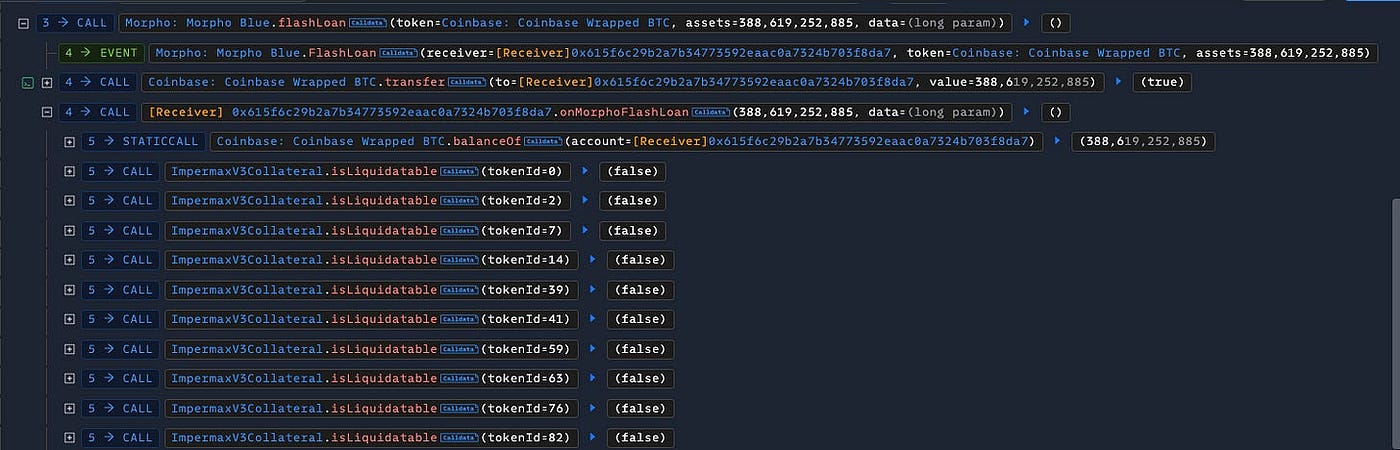
On April 30, the Impermax exploit on the Base network resulted in a $300K loss due to a price manipulation attack. The attacker used a flash loan to open a position on a low-liquidity Uniswap V3 pool, manipulated the price to accumulate uncollected fees, and borrowed against this inflated collateral. By compounding the fees at a manipulated price tick, the position’s value was artificially reduced, allowing the attacker to make a profit.
Press enter or click to view image in full size
Exploited Contract (on Base): 0xb362479915f2d24a284dd5e6742c4f619ad0453a
On March 21, the Zoth exploit on the Ethereum mainnet resulted in an $8.45M loss due to compromised access control. The attacker gained control of the deployer wallet, which held admin privileges over a critical proxy contract. Using this access, they upgraded the proxy to a malicious implementation that allowed unauthorized fund withdrawals. The Zoth team acknowledged the incident and offered a $500K bounty.
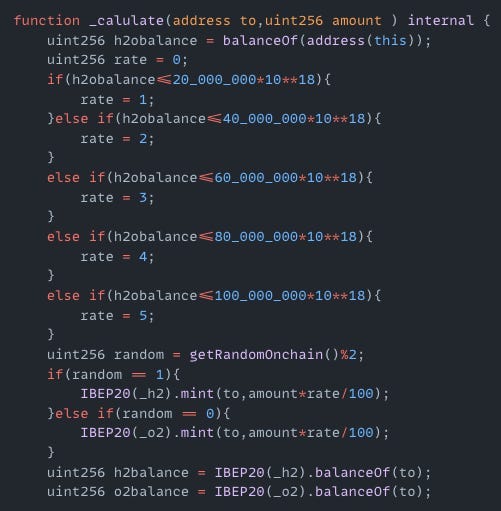
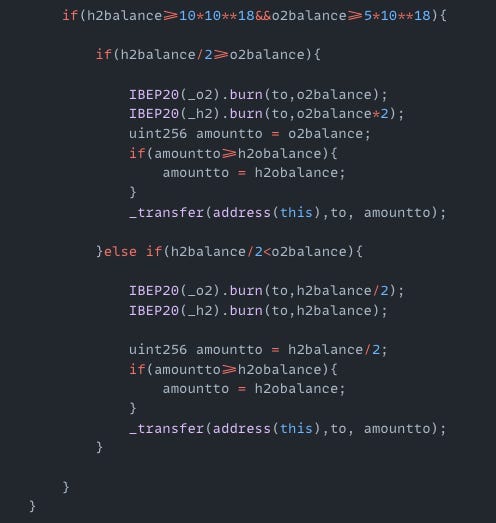
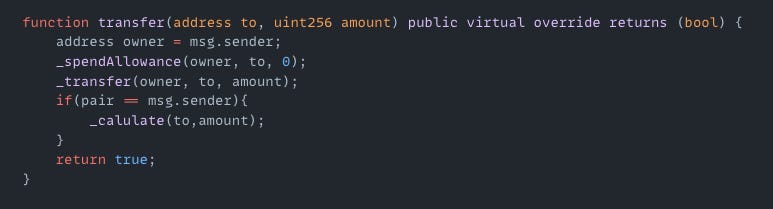
On April 26, the H2O token exploit on the BSC resulted in a $22K loss. The root cause of the attack was insecure on-chain randomness that relied on predictable parameters. The attacker called the transfer() function and triggered the private _calulate() function which minted H2 and O2 tokens using insecure randomness derived from block.timestamp, block.number, and msg.sender. Since these values were predictable, the attacker was able to mint tokens and make a profit.
Press enter or click to view image in full size
Exploited Contract (on BSC): 0xe9c4d4f095c7943a9ef5ec01afd1385d011855a1
The rich text element allows you to create and format headings, paragraphs, blockquotes, images, and video all in one place instead of having to add and format them individually. Just double-click and easily create content.
A rich text element can be used with static or dynamic content. For static content, just drop it into any page and begin editing. For dynamic content, add a rich text field to any collection and then connect a rich text element to that field in the settings panel. Voila!
Headings, paragraphs, blockquotes, figures, images, and figure captions can all be styled after a class is added to the rich text element using the "When inside of" nested selector system.
Follow-up: Conduct a follow-up review to ensure that the remediation steps were effective and that the smart contract is now secure.
In Brief
Remitano suffered a $2.7M loss due to a private key compromise.
GAMBL’s recommendation system was exploited.
DAppSocial lost $530K due to a logic vulnerability.
Rocketswap’s private keys were inadvertently deployed on the server.
Hacks
Hacks Analysis
Huobi | Amount Lost: $8M
On September 24th, the Huobi Global exploit on the Ethereum Mainnet resulted in a $8 million loss due to the compromise of private keys. The attacker executed the attack in a single transaction by sending 4,999 ETH to a malicious contract. The attacker then created a second malicious contract and transferred 1,001 ETH to this new contract. Huobi has since confirmed that they have identified the attacker and has extended an offer of a 5% white hat bounty reward if the funds are returned to the exchange.