February 11, 2026
|

CrossCurve, FutureSwapX, and JFIN Lose Over $1.9M to Preventable Exploits

In Brief

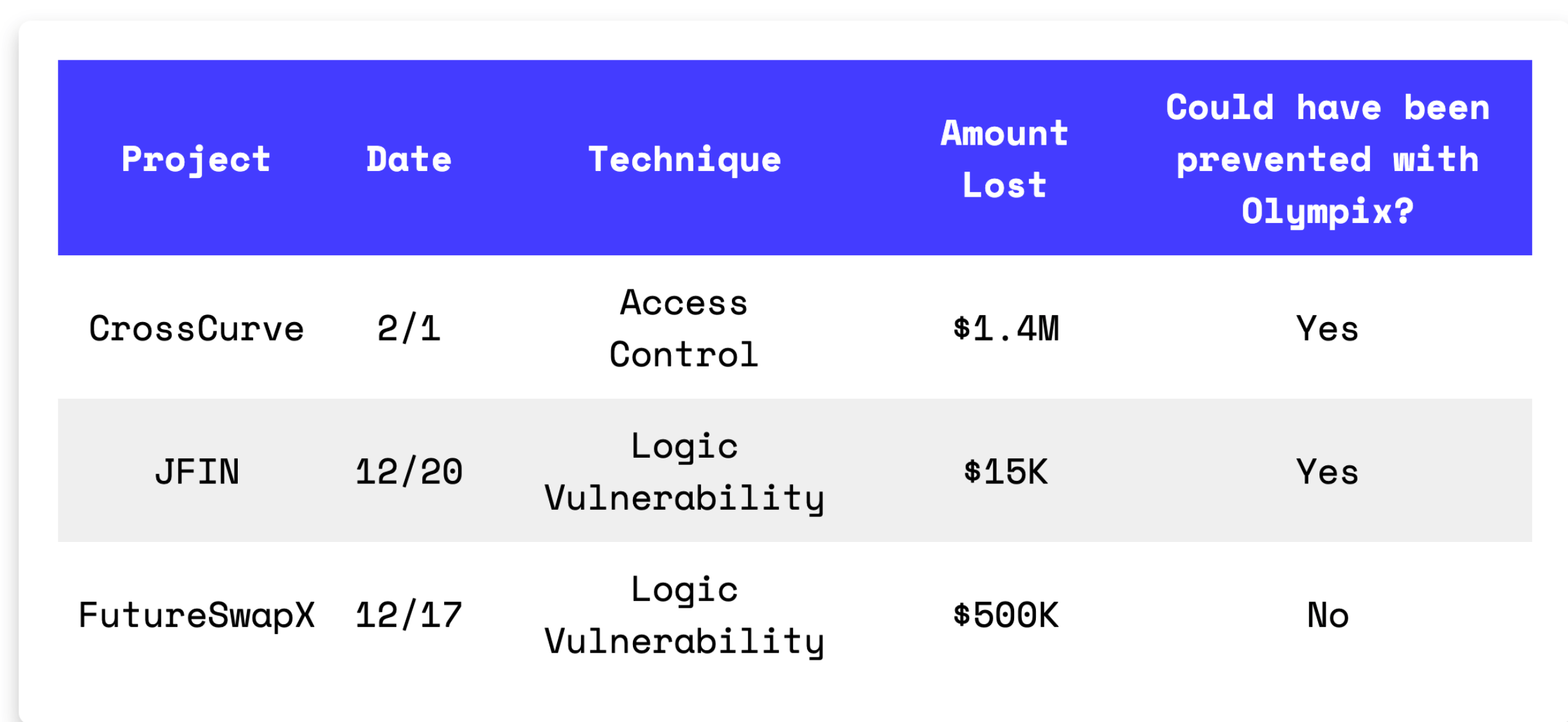
  • CrossCurve lost $1.4M due to missing access control checks.
  • JFIN lost $15K because of a double counting error for reward calculation.
  • FutureSwapX lost $500K after flash-loaned tokens were counted as voting power.

Hacks Analysis

CrossCurve | Amount Lost: $1.4M

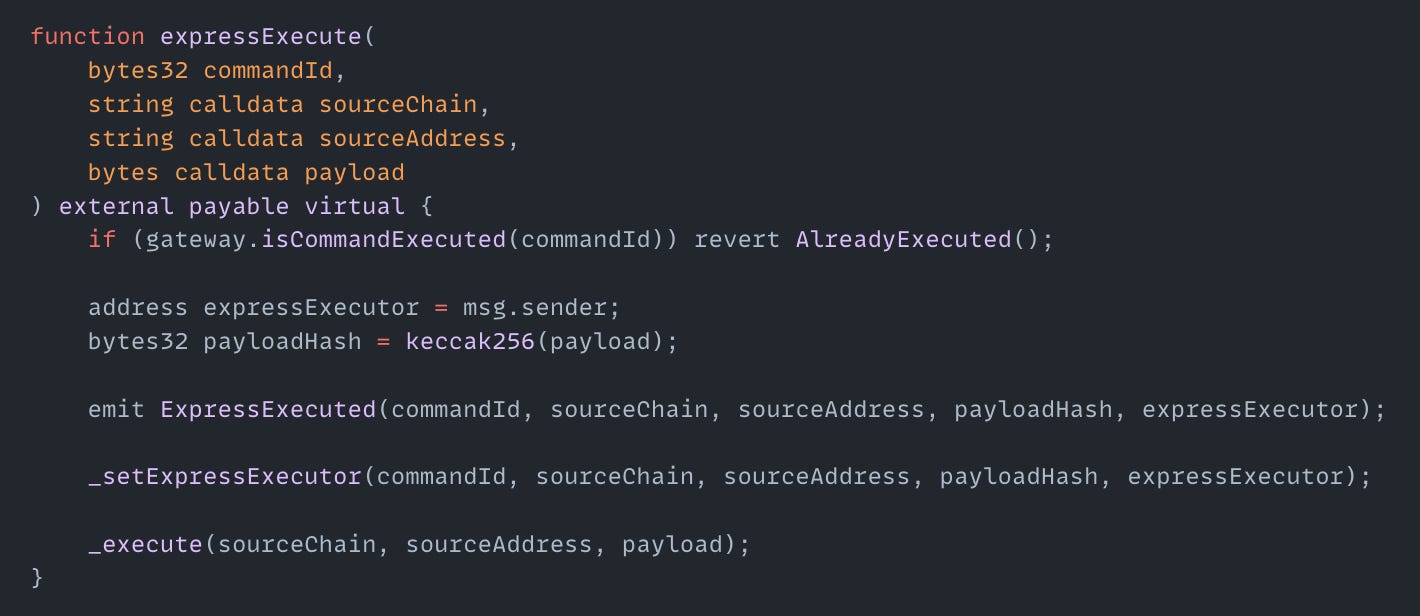
On February 1st, the CrossCurve exploit across multiple chains resulted in a $1.4M loss. The root cause was a missing access control check in the expressExecute() function of the cross-chain receiver contract. This function executed messages without verifying that they were authorized by the Axelar Gateway. The only validation was that a commandId had not been used before. This allowed anyone to generate a fresh commandId and call expressExecute() directly. The attacker supplied arbitrary source chain data and a crafted ABI-encoded payload. The contract trusted this input and executed internal logic. This allowed the attacker to transfer tokens to their own wallet.
Exploited Contract: 0xb2185950f5a0a46687ac331916508aada202e063

Transaction: 0x37d9b911ef710be851a2e08e1cfc61c2544db0f208faeade29ee98cc7506ccc2

JFIN | Amount Lost: $15K

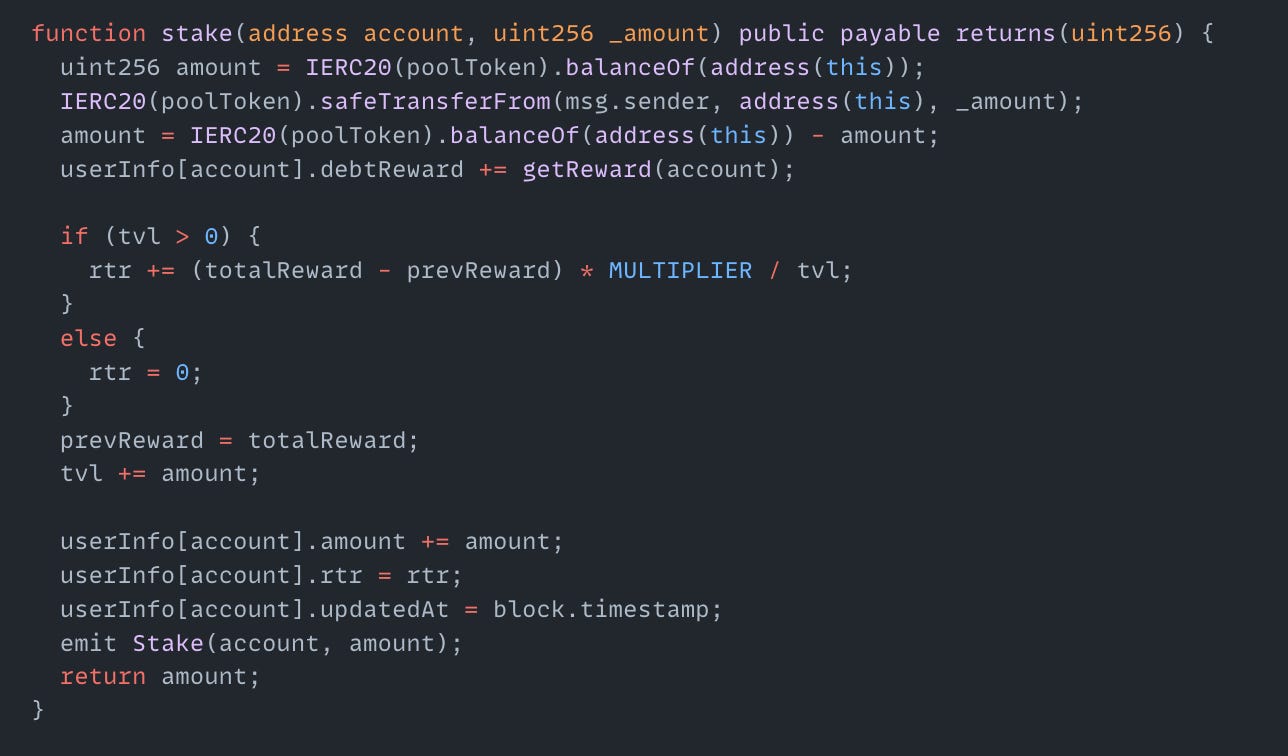
On December 20th, the JFIN exploit on the Ethereum mainnet resulted in a $15K loss. The root cause of the exploit was a reward calculation error (double counting) in the JFIN LCBridgev2Token contract’s stake() function. Before updating a user’s stake, the contract added getReward(account) to debtReward. However, getReward() already included the existing debtReward. This caused the old debt to be counted twice. By repeatedly calling stake() with 1 WEI, an attacker inflated debtReward. The attacker then called claimReward() to withdraw the inflated balance.
Exploited Contract: 0x3EbFd0EFC49a27fb633bd56013E4220EBC2c3C6d

Transaction: 0xf867d1d7164ac9178d81696c989f65e817b8cab14850345ab3a1f99bbe547210

FutureSwapX | Amount Lost: $500K

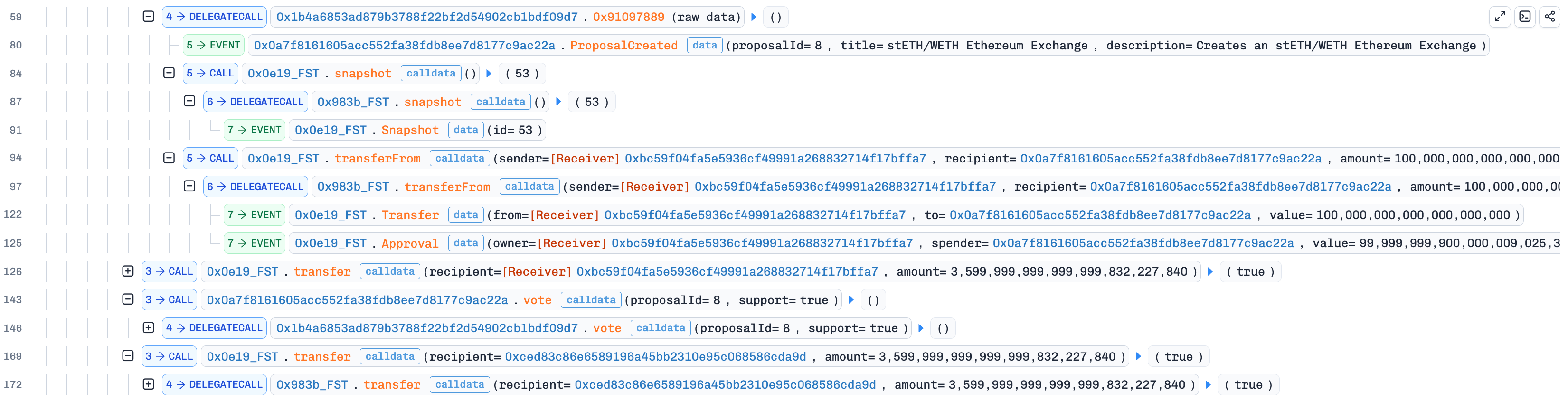
On December 14th, the FutureSwapX exploit on the Ethereum mainnet resulted in a $500K loss. The root cause of the exploit was a voting logic vulnerability that allowed flashloaned tokens to be counted as voting power. The attacker first flash loaned 3.6M FST tokens and created a proposal in the same transaction. FutureSwap’s Governance contract recorded the attacker’s inflated balance. The attacker then voted using the recorded snapshot balance. After voting, the flash loan was repaid. The proposal passed with artificial voting power, allowing the attacker to drain funds.
Exploited Contract: 0x0a7f8161605acc552fa38fdb8ee7d8177c9ac22a

Transaction: 0x23c6a1e3fa409fcf17b4a6c385924a17546772ce77b314d001cbf0dab9469ba3

What’s a Rich Text element?

The rich text element allows you to create and format headings, paragraphs, blockquotes, images, and video all in one place instead of having to add and format them individually. Just double-click and easily create content.

A rich text element can be used with static or dynamic content. For static content, just drop it into any page and begin editing. For dynamic content, add a rich text field to any collection and then connect a rich text element to that field in the settings panel. Voila!

Headings, paragraphs, blockquotes, figures, images, and figure captions can all be styled after a class is added to the rich text element using the "When inside of" nested selector system.

  1. Follow-up: Conduct a follow-up review to ensure that the remediation steps were effective and that the smart contract is now secure.
  2. Follow-up: Conduct a follow-up review to ensure that the remediation steps were effective and that the smart contract is now secure.

In Brief

  • Remitano suffered a $2.7M loss due to a private key compromise.
  • GAMBL’s recommendation system was exploited.
  • DAppSocial lost $530K due to a logic vulnerability.
  • Rocketswap’s private keys were inadvertently deployed on the server.

Hacks

Hacks Analysis

Huobi  |  Amount Lost: $8M

On September 24th, the Huobi Global exploit on the Ethereum Mainnet resulted in a $8 million loss due to the compromise of private keys. The attacker executed the attack in a single transaction by sending 4,999 ETH to a malicious contract. The attacker then created a second malicious contract and transferred 1,001 ETH to this new contract. Huobi has since confirmed that they have identified the attacker and has extended an offer of a 5% white hat bounty reward if the funds are returned to the exchange.

Exploit Contract: 0x2abc22eb9a09ebbe7b41737ccde147f586efeb6a

Ready to Shift Security Assurance In-House? Talk to Our Security Experts Today.