
What are Security Audits for Smart Contracts?
Smart contract audits are essential, but not enough. This article breaks down what audits actually do, where they fall short, and how serious teams can use them effectively. If you're building in Web3, treat audits as a checkpoint, not a finish line.
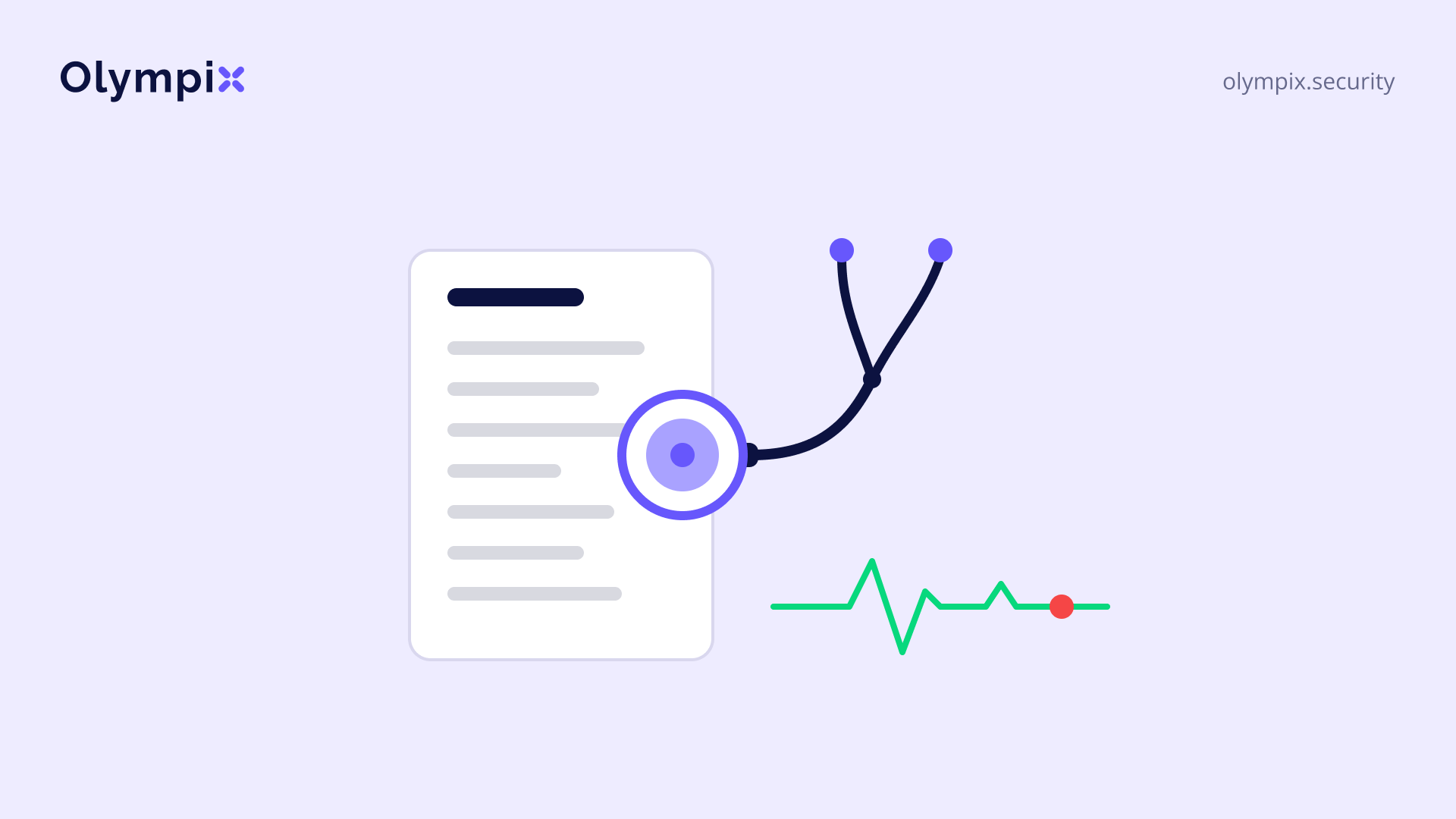
If you think an audit means your smart contract is safe, think again.
Audits are a necessary part of the Web3 security pipeline, but they’re not a silver bullet. Most DeFi exploits in the last two years hit contracts that had already been audited. Why? Because the audit model is fundamentally limited. It’s point-in-time, context-dependent, and often blind to how code behaves in production.
That doesn’t mean you should skip the audit. It means you should know exactly what it is—and what it isn’t.
If you're preparing for your first one, start with our beginner's guide to the Web3 security audit.
This article breaks down how smart contract audits work, where they add value, and where they fall short. If you're a protocol team preparing for mainnet, or a dev shipping smart contracts in a high-stakes environment, this is what you need to know.
What is a Smart Contract Audit?
A smart contract audit is a structured review of your on-chain codebase by external security experts. It’s part manual code review, part automated analysis, and part threat modeling. The goal: catch vulnerabilities before the code goes live.
Auditors look for everything from basic logic bugs to complex economic exploits. They analyze how contracts interact, what assumptions are made, and where things can break under adversarial conditions. The output is usually a report that lists bugs by severity, outlines how to fix them, and flags any architectural red flags.
The process typically combines:
- Static analysis: Tools like Slither scan for known patterns and anti-patterns.
- Manual review: Experienced auditors read the code line-by-line, modeling how it behaves in production.
- Simulation and testing: Some audits go deeper with fuzzing, symbolic execution, or formal verification.
But not all audits are equal. The quality depends on the auditors' experience, the time allocated, and the clarity of the codebase. Most importantly, an audit is not a security guarantee. It’s a snapshot of what was visible at the time of review.
If your code changes post-audit, your risk profile changes too. And if you’re relying solely on one firm, one review, or one tool, you’re leaving gaps.
When and Why Are Audits Used?
Audits are often treated as a rite of passage before launch—but timing matters more than ceremony.
When audits typically happen:
- Pre-deployment: Before mainnet launch, after feature freeze.
- Post-upgrade: When contracts are upgradeable, each change should trigger a new review.
- Pre-token listing: Exchanges often require audits as part of due diligence.
- Post-incident: A reactive audit after an exploit, though by then, the damage is done.
Why audits matter:
- User trust: A published audit signals that someone has looked at the code critically.
- VC and exchange requirements: Institutional players want to see third-party validation.
- Internal validation: Even experienced teams miss edge cases in their own code.
- Insurance coverage: Some DeFi insurers require audits for underwriting.
But relying on audits purely for optics is dangerous. If your codebase isn’t test-covered, modular, and readable, no auditor will save you. And if you audit too early—before final architecture is locked—you’re wasting both time and money.
Treat audits as one layer in a multi-layered security model. They’re a validation step, not a development strategy.
The Standard Audit Workflow
Security audits follow a well-worn pattern, but the devil’s in the details. Here’s what most audit firms mean when they walk you through their process:
1. Audit Request & Scope Definition
You hand over your codebase, documentation, and intended deployment plans. The audit firm scopes the effort based on contract complexity, code size, and risk surface. If you can’t clearly explain your protocol’s behavior, expect misalignment from day one.
2. Threat Modeling & Planning
Auditors build a mental map of what could go wrong: economic attacks, access control failures, dependency risks. Good firms customize this model to your architecture. Lazy ones reuse checklists.
3. Code Review (Manual + Automated)
This is the core. Static analysis tools flag common issues. Auditors read every line, trace execution paths, and model interactions between contracts. This is where depth matters—protocol-specific logic often hides the real vulnerabilities.
4. Reporting
You get a report with vulnerabilities categorized by severity—critical, high, medium, low, informational. It includes recommendations and, ideally, contextual explanations. The best reports also flag design flaws that aren’t outright bugs but could become problems under stress.
5. Remediation
You patch the issues. Ideally, you don’t just fix the symptom—you fix the design. Good teams use this step to refactor sloppy logic and tighten access controls.
6. Follow-up Review
Sometimes called a re-audit. Auditors verify that the fixes work, new bugs weren’t introduced, and the core issues are actually resolved.
Optional but Increasingly Common:
- Fuzz testing
- Symbolic execution
- Formal verification for high-assurance modules
- Integration testing across multiple systems
Each step is vulnerable to shortcuts. If your audit is rushed, under-scoped, or misaligned, you’ll get a clean-looking report that leaves critical paths unchecked.
The Limitations of Audits
Audits catch bugs. They don’t catch blind spots.
Even the best audits are constrained by time, scope, and what the auditors can see. If your protocol interacts with oracles, bridges, layer 2s, or external governance modules, there are risks that may never hit the report.
1. Audits are snapshots
They reflect the code at one moment in time. Any changes after the audit—even one line—can invalidate findings. In fast-moving teams, the code often changes between audit and deployment. That delta is your exposure window.
2. Human limits
Auditors are good, but they’re still human. Complex state machines, unusual economic logic, or tangled upgrade paths are hard to reason about. Mistakes happen, especially under deadline pressure or with poor documentation.
3. Scope creep and assumptions
If you didn’t include an integration or miscommunicated protocol logic, auditors won’t guess. Many exploits come from interactions outside the audited scope.
4. Static tools ≠ dynamic behavior
Slither, MythX, and similar tools flag anti-patterns and code smells, not exploit vectors. They can’t model flash loans, MEV conditions, or multi-tx attacks.
5. Complacency
The biggest risk? Teams treating audits as security guarantees. A clean audit report is not the same as a secure system. If you ship insecure logic and slap “Audited” on your landing page, you’re not fooling the attacker.
Best Practices for Using Audits Effectively
Audits don’t replace security. They amplify it—if you do the groundwork.
1. Prepare like it’s production
Audits are not debugging sessions. Auditors should be your second line of defense, not your first. Before submitting your code:
- Freeze features
- Write comprehensive tests
- Include assertions and invariants
- Clean up dead code and inline comments
Messy repos waste auditor time, and worse, hide critical logic behind cruft.
2. Treat your audit like an adversarial red team
Give your auditors everything: threat models, economic assumptions, cross-contract flows, and governance design. The more they understand your system, the deeper they can go. Shallow context = shallow findings.
3. Don’t settle for one audit
High-value protocols loop multiple auditors through the same codebase. Why? Different teams catch different bugs. If your system holds nine figures, hire two firms and compare notes.
4. Invest in internal security workflows
Before and after the audit, you should be running:
- Fuzzing (Foundry, Echidna)
- Mutation testing
- Invariant checks
- Test coverage tools
- Integration simulations
Audits complement this—they don’t replace it.
5. Public post-audit response
Publish the audit, your response, and what you fixed. Not just for optics. This builds trust and shows maturity. If you left low-severity issues unfixed, explain why. If you redesigned major modules post-audit, re-audit them.
Conclusion: Audits Are a Checkpoint, Not a Finish Line
Smart contract audits matter—but they’re not a certificate of safety. They’re one layer in a layered defense strategy. A second set of eyes on your code, not a free pass to production.
Most of the biggest DeFi exploits in history came after audits. Not because the auditors were bad, but because audits are limited by scope, time, and what the client provides. If you don’t pair audits with internal security rigor—tests, simulations, and adversarial thinking—you’re just playing security theater.
Audits should validate your confidence, not replace it.
So by all means, get audited. But also: write better tests, run fuzzers, simplify your logic, hire more than one firm, publish your post-mortems. Security is not a milestone, it’s a continuous practice.
And the teams that survive long enough to become blue chips? They treat it that way from day one.
More from the blog
See every article →




See what Olympix finds on your own code
Send us a repo that's already been audited, and we'll run Olympix at the same commit and show you what comes back.