
Understanding Smart Contract Exploits: How and Why They Happen
Smart contracts, the backbone of Web3 applications, are vulnerable to exploits due to their unchangeable nature. This article examines common vulnerabilities and how to enhance smart contract security.
Introduction
As Web3 security advances, so do the risks associated with smart contract exploits. Smart contracts, self-executing agreements coded in Solidity, power decentralized applications (dApps) and blockchain security frameworks. However, their immutable nature means that once deployed, any flaw can become an entry point for malicious actors.
In this article, we’ll explore smart contract vulnerabilities, common types of exploits, and how organizations can strengthen smart contract security using smart contract analyzers and proactive security measures.
What Are Smart Contract Exploits?
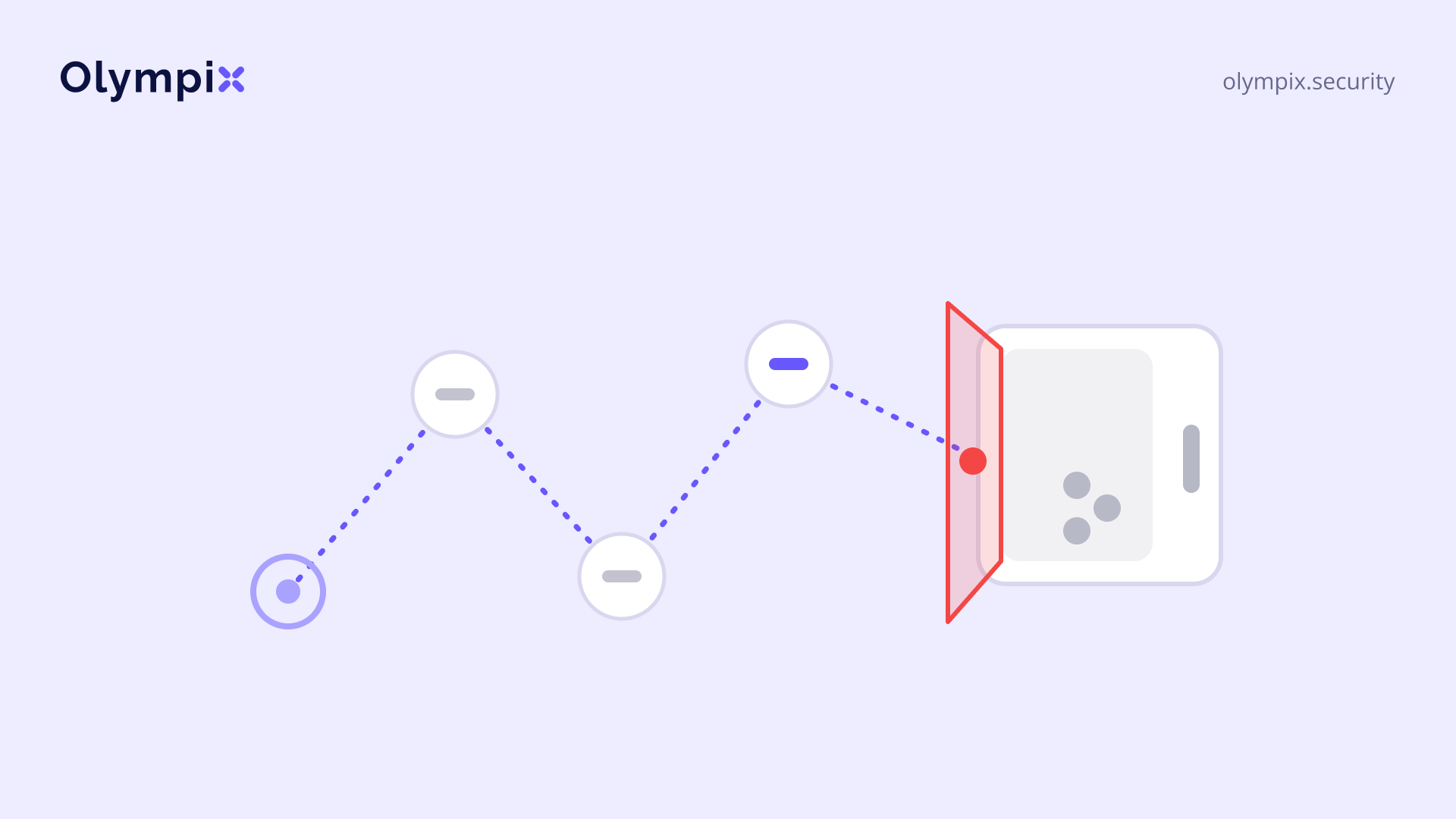
A smart contract exploit occurs when a flaw in a contract’s code allows attackers to manipulate it for their own gain. Unlike traditional software, smart contracts are deployed on blockchains and execute automatically - meaning errors can have irreversible financial consequences.
Exploits in Web3 cybersecurity range from logic errors to manipulation of decentralized financial (DeFi) protocols. As DeFi grows, so does the number of attacks, resulting in billions of dollars in stolen assets.
Let’s dive into the most common ways smart contract analysis can reveal vulnerabilities before they become full-blown exploits.
Common Types of Smart Contract Exploits
1. Reentrancy Attacks
A reentrancy attack occurs when an external contract repeatedly calls back into the original contract before previous executions are completed. This allows attackers to drain funds before the contract updates balances.
🔹 Notable Example: The DAO Hack (2016) saw $60M in ETH stolen due to a reentrancy vulnerability in its code.
🔹 Mitigation Strategies:
- Use reentrancy guards like Solidity’s nonReentrant modifier.
- Adopt the Checks-Effects-Interactions pattern, ensuring all state changes occur before external calls.
2. Integer Overflow and Underflow
Blockchains rely on precise arithmetic operations, but older Solidity versions had no built-in safeguards for number overflows and underflows. This allowed attackers to manipulate balances and bypass constraints.
🔹 Notable Example: The BeautyChain Exploit (2018) leveraged an integer overflow to mint excessive tokens.
🔹 Mitigation Strategies:
- Use SafeMath libraries or Solidity’s built-in checked arithmetic (available from Solidity 0.8+).
3. Front-Running Attacks
A front-running attack occurs when malicious actors exploit pending transactions in the blockchain network to gain an advantage. By submitting a higher gas fee, attackers can execute transactions ahead of others, often profiting at the expense of users.
🔹 Notable Example: Many Decentralized Exchange (DEX) traders fall victim to front-running due to how transactions are processed.
🔹 Mitigation Strategies:
- Implement transaction ordering protection (TOP).
- Use commit-reveal schemes to hide transaction details.
4. Oracle Manipulation
DeFi protocols rely on external oracles for real-world data (e.g., asset prices). Attackers can manipulate oracles to alter prices, leading to massive liquidations and unfair trades.
🔹 Notable Example: The bZx Protocol Exploit (2020) used oracle manipulation to execute a flash loan attack, draining millions.
🔹 Mitigation Strategies:
- Use multiple oracles instead of relying on a single data source.
- Implement price delay mechanisms to smooth out price fluctuations.
5. Smart Contract Logic Errors
Flawed contract logic can introduce unexpected behaviors that attackers exploit. These bugs often arise due to incorrect permission settings, faulty access control, or misconfigured state variables.
🔹 Notable Example: The Parity Multi-Sig Wallet Hack (2017) resulted in $160M being permanently frozen due to a contract ownership bug.
🔹 Mitigation Strategies:
- Perform rigorous smart contract analysis before deployment.
- Use role-based access controls (RBAC) to restrict sensitive functions.
6. Flash Loan Attacks
Flash loans allow users to borrow funds with no collateral, as long as they repay within the same transaction. Attackers manipulate DeFi protocols using flash loans to exploit price discrepancies, governance votes, or liquidity pools.
🔹 Notable Example: The Alpha Homora Exploit (2021) saw attackers manipulate flash loans to steal $37M.
🔹 Mitigation Strategies:
- Use price oracles resistant to flash loan manipulation.
- Restrict critical smart contract functions from interacting with flash loans.
How to Prevent Smart Contract Exploits
1. Use Smart Contract Analyzers
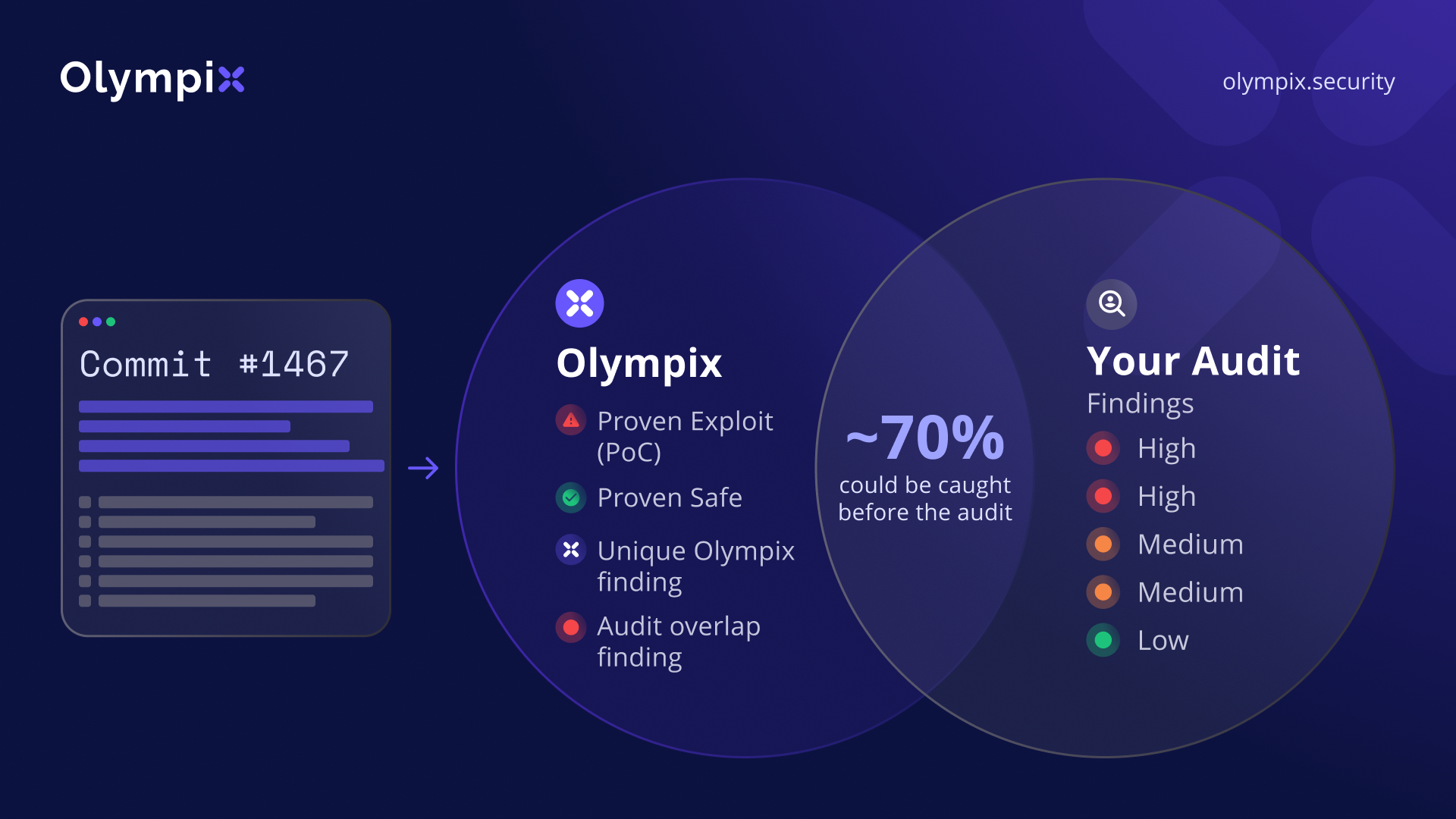
Smart contract analyzers like Olympix provide Solidity static analysis, helping teams detect security vulnerabilities before deployment. Unlike traditional audits, automated analysis tools scan code proactively and continuously.
✔ Detects vulnerabilities missed by human auditors.
✔ Identifies reentrancy risks, logic errors, and permission misconfigurations.
✔ Improves smart contract security without delaying development.
2. Adopt Security Best Practices
Organizations must implement rigorous security measures throughout the smart contract development lifecycle.
- Security Audits: Regular smart contract audits reduce risk but are not foolproof.
- Bug Bounty Programs: Engage ethical hackers to test for weaknesses.
- Multi-Sig Wallets: Require multiple approvals for critical transactions.
- Timelocks: Delay high-risk operations to allow time for intervention.
3. Utilize Solidity Static Analysis
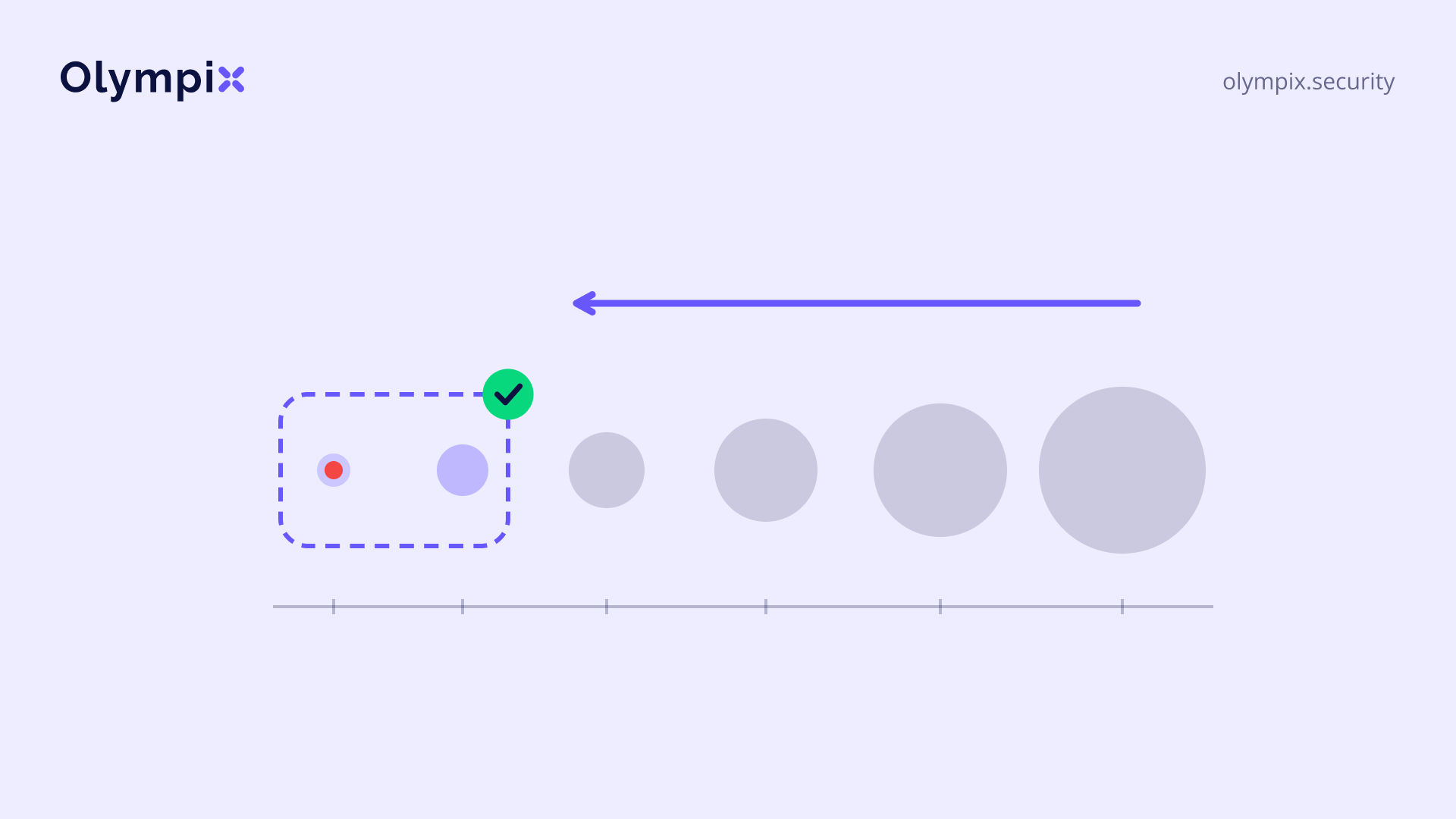
Unlike traditional audits, Solidity static analysis provides real-time security checks, reducing attack surface vulnerabilities before deployment.
🔹 Why It Matters:
- Identifies vulnerabilities early in development.
- Prevents critical exploits before code goes live.
- Reduces dependency on expensive audits.
4. Monitor On-Chain Activity
While blockchain security tools like on-chain monitoring help detect suspicious activity, they only react after an attack occurs. A better approach is to integrate security proactively using automated tooling.
🔹 Why Monitoring Alone Is Not Enough:
- Most attacks happen within minutes - by the time they're detected, the damage is done.
- Proactive security solutions prevent threats before they escalate.
Conclusion: Securing the Future of Smart Contracts
The rise of Web3 security has introduced new challenges in smart contract security. Attackers continuously find ways to exploit Solidity-based contracts, leading to millions in DeFi losses.
To stay ahead of threats, organizations must adopt proactive security measures. Smart contract analyzers, Solidity static analysis, and real-time security tools play a crucial role in preventing exploits before they occur.
As the Web3 cybersecurity landscape evolves, ensuring smart contracts for dummies and experts alike remain secure and efficient is essential to the future of blockchain security.
Related guides
More from the blog
See every article →




See what Olympix finds on your own code
Send us a repo that's already been audited, and we'll run Olympix at the same commit and show you what comes back.